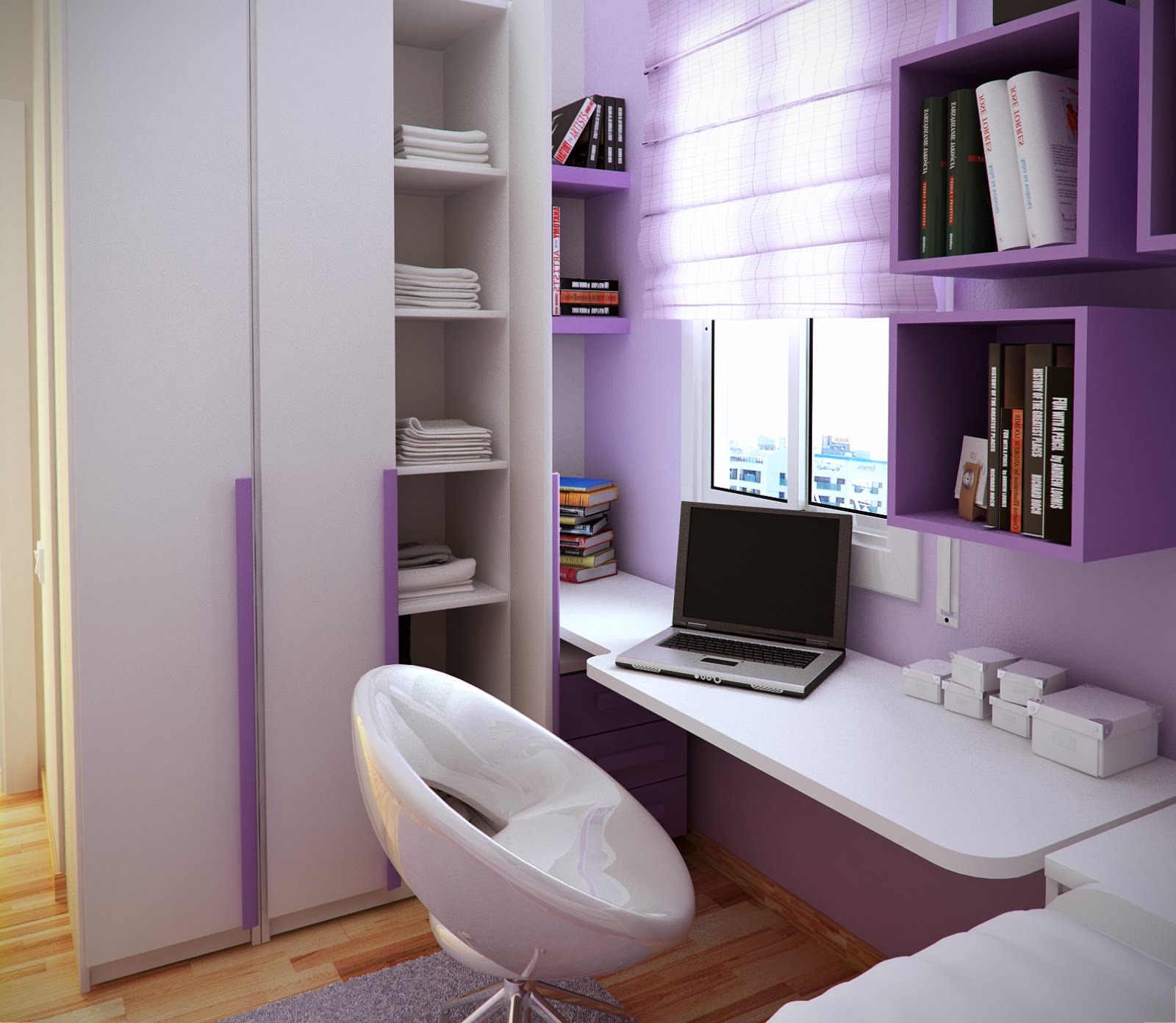
 room interiorInterior design is the art and science of enhancing the interiors, sometimes including the exterior, of a space or building, to achieve a wholesome and even more visually satisfying environment for the end customer. An interior designer is someone who plans, researches, coordinates, and manages such projects. Interior design is a multifaceted job that includes conceptual development, space planning, site inspections, encoding, research, communicating with the stakeholders of any project, building management, and execution of the design.Home design is the procedure of shaping the knowledge of interior space, through the manipulation of spatial volume as well as surface treatment for the betterment of individual functionality.In the past, interiors were put together instinctively as a part of the process of building.The profession of interior design has been a consequence of the development of society and the complex architecture that has resulted from the development of industrial processes. The pursuit of effective use of space, consumer well-being and useful design has contributed to the development of the contemporary home design profession. The job of home design is individual and distinctive from the role of Interior Decorator, a term commonly used in the US. The term is less common in the UK where in fact the profession of home design continues to be unregulated and therefore, strictly speaking, not yet a profession officially.In traditional India, architects used to work as interior designers. This is seen from the sources of Vishwakarma the architect - one of the gods in Indian mythology. Additionally, the sculptures depicting old texts and occurrences are seen in palaces built-in 17th century India.In traditional Egypt, "soul houses" or models of houses were positioned in tombs as receptacles for food offerings. From these, it is possible to discern information regarding the inside design of different residences throughout the several Egyptian dynasties, such as changes in venting, porticoes, columns, loggias, house windows, and doors.Throughout the 18th and 17th hundred years and into the early 19th hundred years, interior beautification was the matter of the homemaker, or an employed upholsterer or craftsman who would advise on the artistic style for an interior space. Architects would also employ craftsmen or artisans to complete interior design for their buildings.Color is a powerful design tool in designing, and interior design which is the skill of structure, and coordinates colors together to build stylish design.Interior designers have knowledge about colors to comprehend psychological effects, and meaning of each color to create suitable combinations for each and every place. Combining Color provides certain state of mind also, and has positive and negative effects. It creates a available room feel more calm, cheerful, dramatic or comfortable. It also makes a tiny room seem larger or smaller. So it is the Interior designer profession to choose appropriate colors for a place in a way people want to look and feel in the space.Interior designers must be very skilled in order to generate interior conditions that are efficient, safe, and adhere to building codes, regulations and ADA requirements. Each goes beyond the selection of color palettes and furnishings and apply their knowledge to the development of construction documents, occupancy loads, healthcare regulations and sustainable design principles, as well as the coordination and management of professional services including mechanical, electrical, plumbing, and life safety--all to ensure that folks can live, learn or work in an innocuous environment that is visually satisfying also.Someone may wish to focus and develop technical knowledge specific to 1 area or type of interior design, such as personal design, commercial design, hospitality design, professional medical design, widespread design, exhibition design, furniture design, and spatial branding. Interior design is a creative job that is new relatively, constantly evolving, and often confusing to the public. It isn't an artistic pursuit and depends on research from many fields to give a well-trained knowledge of how people are influenced by their environments.
Related Images with Like Architecture amp; Interior Design? Follow Us
Room Designs , Living Room Designs Ideas , Minimalist living room

modern living room design home interior Home Gallery Design

false ceiling design for living room interior suspended ceilings

Home Interior design living room renovation renderings Living Room

Like Architecture amp; Interior Design? Follow Us
By Unknown
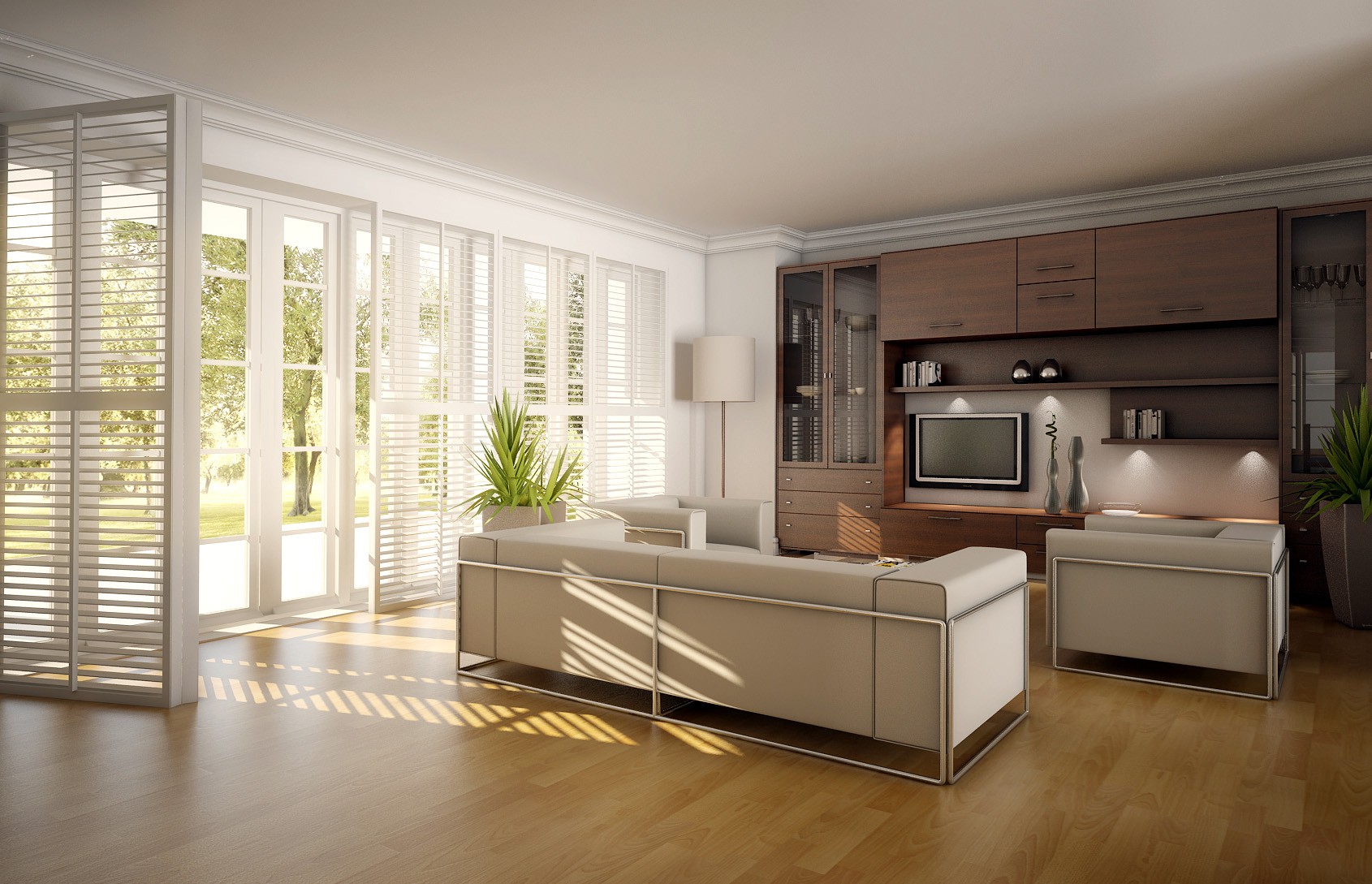 room interiorInterior design is the art and science of improving the interiors, including the exterior sometimes, of a building or space, to achieve a healthier and much more visually satisfying environment for the end consumer. An inside designer is someone who plans, researches, coordinates, and manages such projects. Home design is a multifaceted vocation that includes conceptual development, space planning, site inspections, coding, research, connecting with the stakeholders of an project, engineering management, and execution of the look.Interior design is the process of shaping the knowledge of interior space, through the manipulation of spatial size as well as surface treatment for the betterment of individual functionality.Before, interiors were put instinctively as a part of the process of creating jointly.The profession of home design is a consequence of the development of society and the complex architecture that has resulted from the introduction of professional processes. The quest for effective use of space, end user well-being and functional design has contributed to the introduction of the contemporary interior design profession. The vocation of home design is individual and particular from the role of Interior Decorator, a term found in the US. The term is less common in the united kingdom where the profession of home design is still unregulated and for that reason, strictly speaking, not yet an occupation officially.In traditional India, architects used to are interior designers. This is seen from the sources of Vishwakarma the architect - one of the gods in Indian mythology. Additionally, the sculptures depicting ancient texts and happenings are seen in palaces built in 17th century India.In early Egypt, "soul properties" or types of houses were located in tombs as receptacles for food offerings. From these, it is possible to discern information regarding the interior design of different residences throughout the several Egyptian dynasties, such as changes in venting, porticoes, columns, loggias, windows, and doors.Throughout the 18th and 17th hundred years and in to the early on 19th hundred years, interior decor was the matter of the homemaker, or an employed craftsman or upholsterer who recommend on the imaginative style for an inside space. Architects would also employ craftsmen or artisans to complete home design for his or her buildings.Color is a robust design tool in decorating, and interior design which is the creative art of structure, and coordinates colors along to set-up stylish program.Interior designers have knowledge about colors to comprehend psychological effects, and meaning of each color to create suitable combinations for every place. Combining Color gives a certain mind-set also, and has positive and negative effects. It creates a available room feel more calm, cheerful, comfortable or dramatic. It makes a tiny room appear larger or smaller also. So that it is the inside designer profession to choose appropriate colors for a place in a way people want to appear and feel in the space.Interior designers must be highly skilled in order to produce interior environments that are efficient, safe, and stick to building codes, regulations and ADA requirements. Each goes beyond selecting color palettes and furnishings and apply their knowledge to the introduction of construction documents, occupancy loads, healthcare regulations and sustainable design principles, as well as the management and coordination of professional services including mechanical, electrical, plumbing, and life safety--all to ensure that people can live, learn or work in an innocuous environment that is also aesthetically pleasing.Someone may wish to specialize and develop complex knowledge specific to one type or section of interior design, such as personal design, commercial design, hospitality design, health care design, widespread design, exhibition design, furniture design, and spatial branding. Home design is a creative job that is new relatively, constantly evolving, and frequently complicated to the public. It isn't an artistic pursuit and relies on research from many fields to give a well-trained knowledge of how people are influenced by their environments.
Related Images with Like Architecture amp; Interior Design? Follow Us
office and reception room interior design Download 3D House

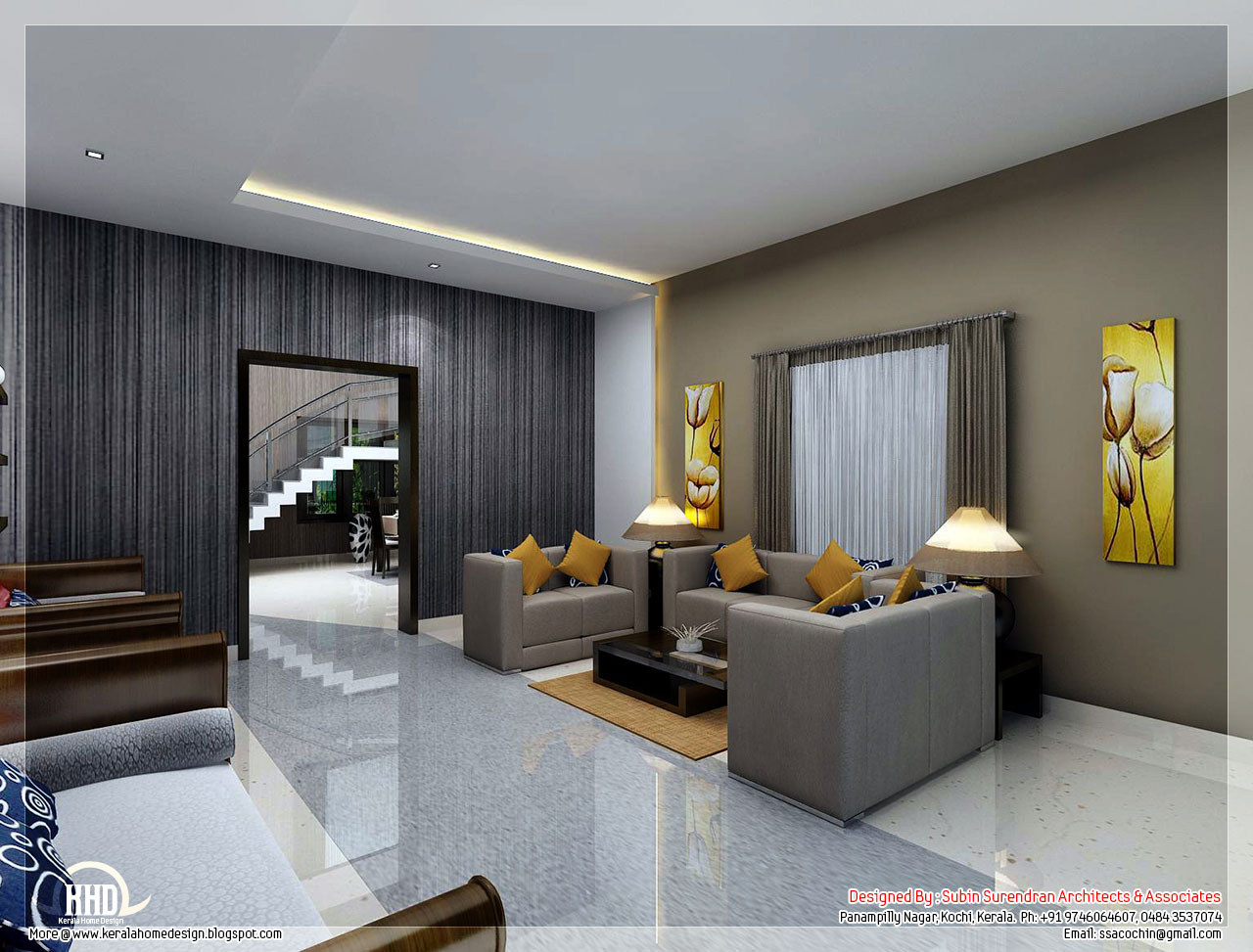
Awesome living room interior designs by Subin Surendran Architects
Interior design ideas with pics best sweet kids room interior design

Living room interior decoration wall Download 3D House

Like Architecture amp; Interior Design? Follow Us
By Unknown
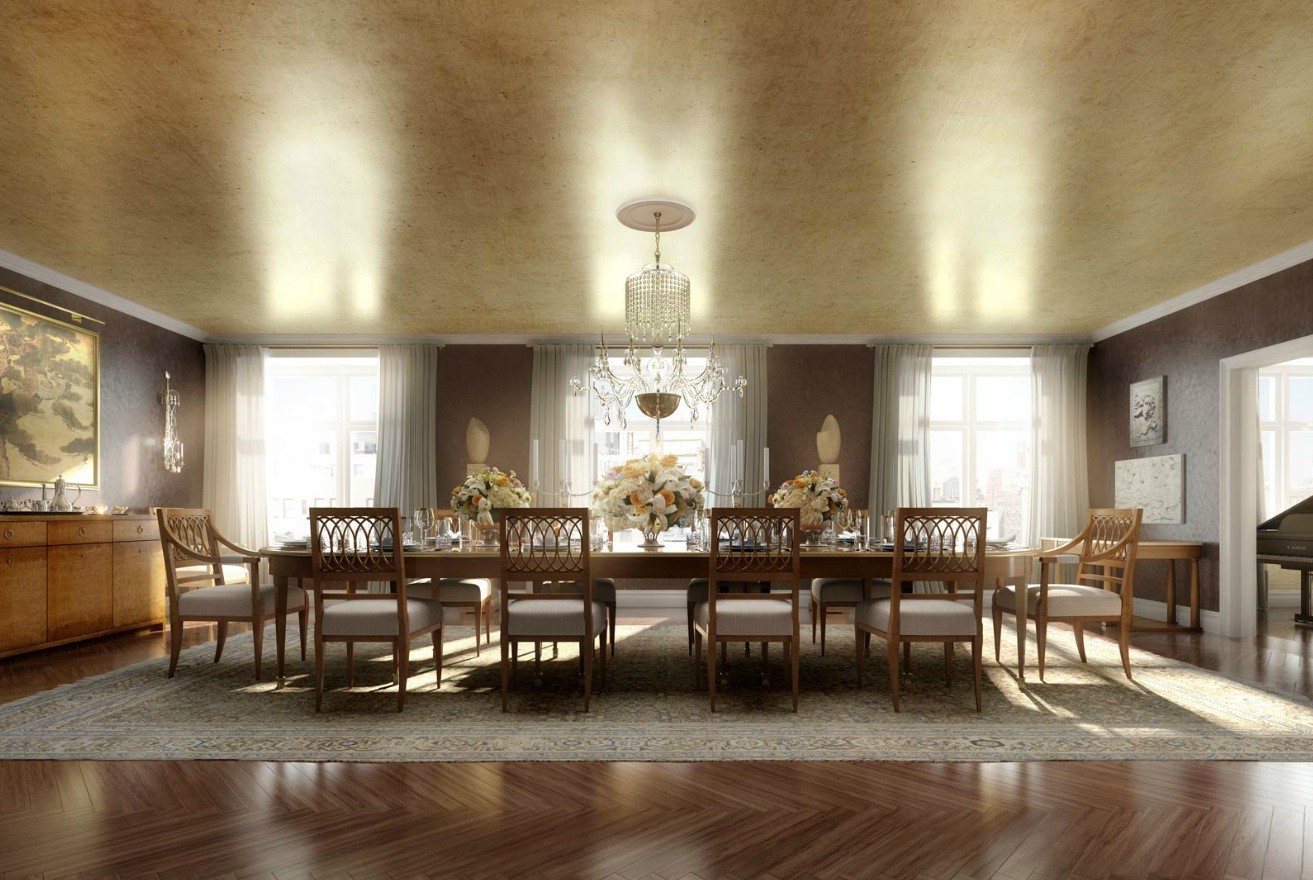 room interiorInterior design is the creative art and science of enhancing the interiors, sometimes including the exterior, of an area or building, to achieve a healthier and much more satisfying environment for the finish customer visually. An inside designer is someone who plans, researches, coordinates, and manages such projects. Home design is a multifaceted career which includes conceptual development, space planning, site inspections, programming, research, conversing with the stakeholders of the project, development management, and execution of the design.Home design is the process of shaping the experience of interior space, through the manipulation of spatial level as well as surface treatment for the betterment of individual functionality.Before, interiors were put instinctively as part of the process of creating jointly.The profession of home design is a consequence of the development of society and the complex architecture that has resulted from the introduction of industrial processes. The pursuit of effective use of space, individual well-being and efficient design has contributed to the introduction of the contemporary home design profession. The occupation of interior design is separate and distinctive from the role of Interior Decorator, a term commonly found in the US. The term is less common in the united kingdom where the profession of interior design is still unregulated and therefore, strictly speaking, not yet officially an occupation.In old India, architects used to are interior designers. This is seen from the sources of Vishwakarma the architect - one of the gods in Indian mythology. Additionally, the sculptures depicting traditional events and texts have emerged in palaces built in 17th hundred years India.In historic Egypt, "soul homes" or types of houses were positioned in tombs as receptacles for food offerings. From these, you'll be able to discern details about the inside design of different residences throughout different Egyptian dynasties, such as changes in venting, porticoes, columns, loggias, home windows, and doors.Through the entire 17th and 18th century and in to the early on 19th hundred years, interior beautification was the matter of the homemaker, or an applied upholsterer or craftsman who recommend on the creative style for an interior space. Architects would also employ artisans or craftsmen to complete home design because of their complexes.Color is a powerful design tool in designing, and home design which is the art work of structure, and coordinates colors collectively to create stylish scheme.Interior designers have knowledge about colors to comprehend psychological effects, and meaning of each color to create suitable combinations for each and every accepted place. Combining Color provides certain state of mind also, and has negative and positive effects. It creates a available room feel more calm, cheerful, comfortable or dramatic. It also makes a tiny room seem larger or smaller. So it is the inside designer profession to choose appropriate colors for a location in a way people want to appear and feel in the area.Interior designers must be highly skilled in order to set-up interior surroundings that are practical, safe, and stick to building codes, regulations and ADA requirements. They go beyond selecting color palettes and furnishings and apply their knowledge to the development of construction documents, occupancy loads, healthcare regulations and sustainable design principles, as well as the management and coordination of professional services including mechanical, electrical, plumbing, and life safety--all to ensure that individuals can live, learn or work in an innocuous environment that is also aesthetically pleasing.Someone may wish to concentrate and develop specialized knowledge specific to one area or type of interior design, such as domestic design, commercial design, hospitality design, medical design, widespread design, exhibition design, furniture design, and spatial branding. Interior design is an innovative job that is new relatively, constantly evolving, and confusing to the general public often. It isn't an artistic pursuit and depends on research from many fields to give a well-trained knowledge of how people are influenced by their environments.
Related Images with Like Architecture amp; Interior Design? Follow Us
Interior design living room 3d 3D house, Free 3D house pictures and

Design home design living room design bedroom lighting interior design

40 Contemporary Living Room Interior Designs

latest.: Luxury homes interior decoration living room designs ideas
.jpg "latest.: Luxury homes interior decoration living room designs ideas")
Like Architecture amp; Interior Design? Follow Us
By Unknown
Subscribe to:
Posts (Atom)


.jpg)